
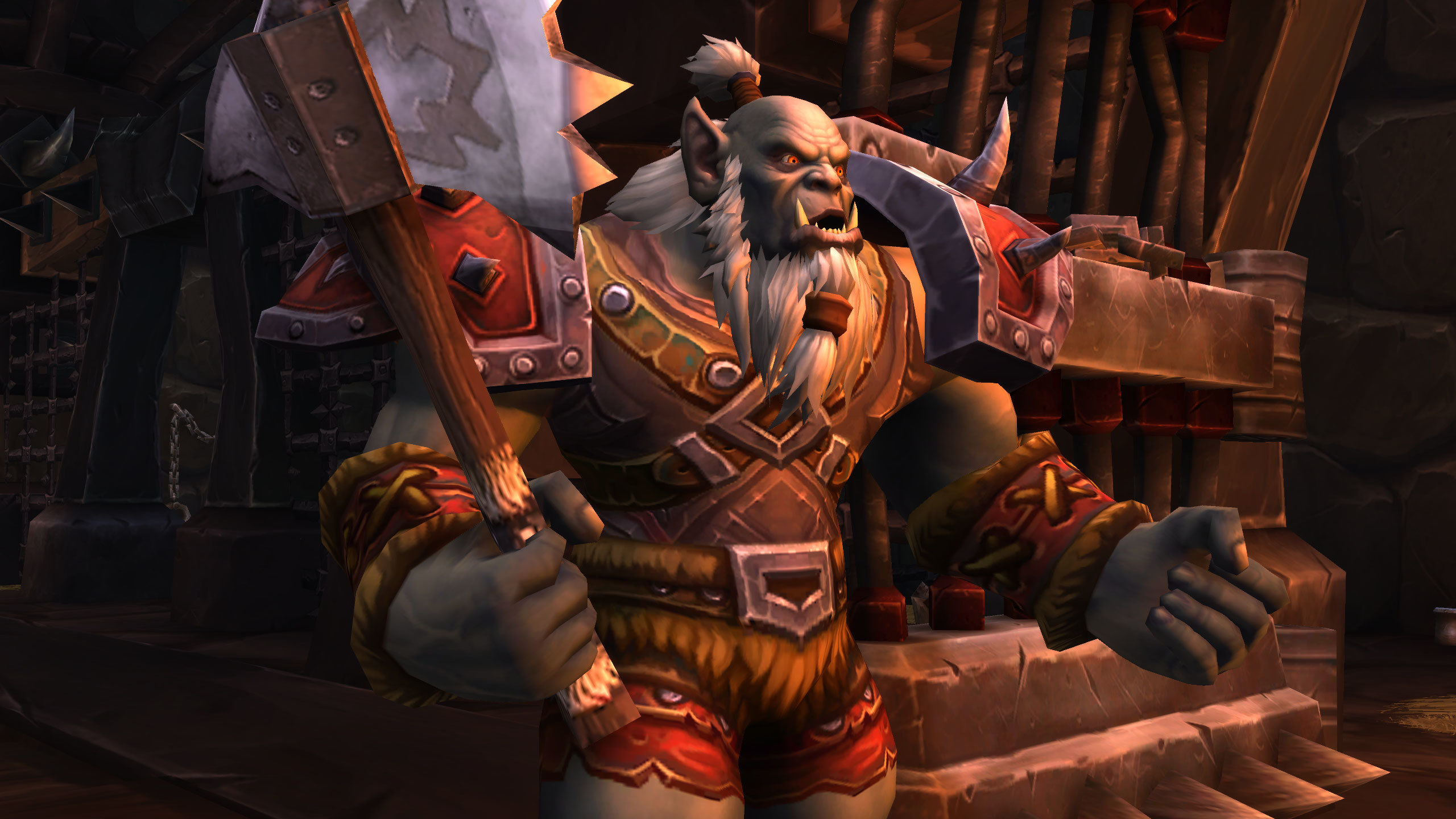
Player versus Player combat has always been the beating pulse of Warcraft’s competition—and at its center lies a subject of endless debate: gear progression. For some, it’s the thrill of earned power, proof of mastery and persistence. For others, it’s a barrier that separates skill from accessibility. Across expansions, PvP gearing has evolved through controversy and innovation, binding the community together even as it splits opinion.
This article explores why PvP gear progression remains both divisive and essential, shaping how players fight, improve, and define fairness in Azeroth’s eternal battlegrounds.
The Origins of PvP Progression
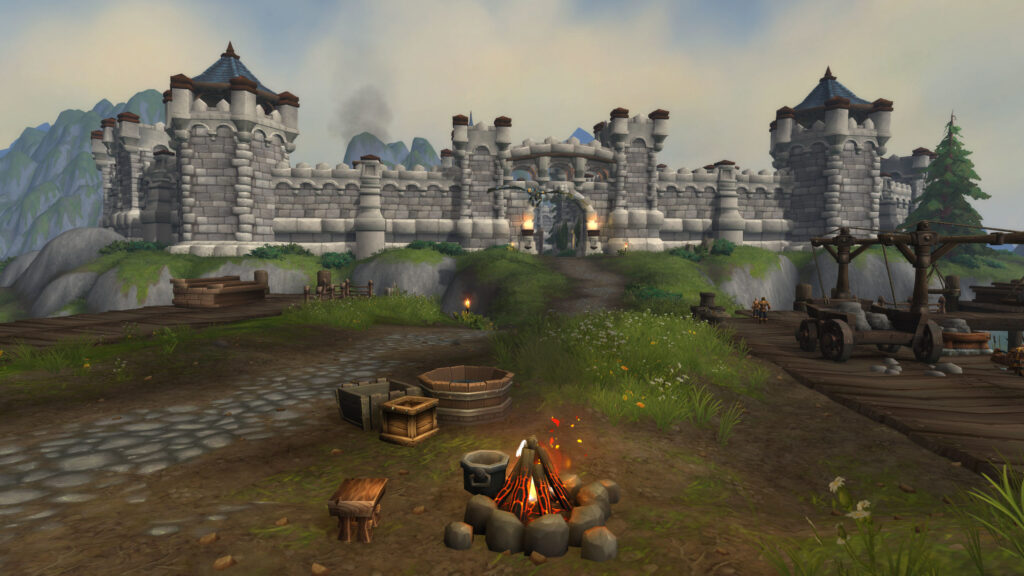
In Classic, PvP gear was a badge of honor earned through raw time investment. The Rank 14 grind demanded relentless play, transforming effort into prestige. These early systems favored dedication over balance, but they laid the foundation for progression-driven PvP. Gear became not just equipment—it became identity. Standing in Ironforge or Orgrimmar in Grand Marshal armor meant something: victory through sheer will.
In early WoW, power wasn’t handed out—it was survived for.
The Balance Struggle – Skill vs. Advantage
As expansions advanced, the debate deepened. The Burning Crusade introduced resilience gear, creating a separate stat to mitigate PvE dominance. While it balanced competition, it also split communities between raiders and PvPers. Later systems like Conquest and Honor Points refined this grind, but the underlying conflict remained: should victory belong to those with better reflexes—or better preparation?
Every patch balanced two ideals: fairness and reward.
Cataclysm to Legion – The Experimentation Era
From Cataclysm to Legion, Blizzard tested new models for PvP equality. Power scaling, templates, and stat normalization aimed to bridge the gap between newcomers and veterans. Yet every change sparked mixed reactions. For some, these systems freed competition from gear disparity. For others, they stripped away the sense of progression that made victory satisfying. The cycle of feedback became a tradition as old as the battlegrounds themselves.
In PvP, balance isn’t an endpoint—it’s a conversation that never ends.
| Expansion | PvP Gear System | Core Strength | Community Reaction |
|---|---|---|---|
| Classic | Ranked grind | Prestige through endurance | Rewarding but punishing |
| The Burning Crusade | Resilience stat | Defined PvP as a distinct ecosystem | Balanced but isolated |
| Wrath of the Lich King | Tiered honor/conquest system | Predictable structure | Stable and beloved |
| Legion | Stat templates | Skill-based equality | Fair but unfulfilling |
| Dragonflight | Item-level scaling by PvP type | Accessibility and fairness | Balanced engagement |
The Psychology of Gear and Motivation
Gear progression taps into human motivation—achievement, status, and control. It transforms abstract competition into tangible growth. Each conquest point earned tells a story of persistence, each upgrade a reminder of effort. Removing that ladder risks undermining the reason players log in: to improve and display mastery. PvP gear isn’t just power—it’s validation of the struggle behind every duel, every arena, every victory earned by sweat and patience.
Progression gives competition meaning—and meaning keeps competition alive.
Modern Balance and The War Within
With Dragonflight and into The War Within, Blizzard seems to have found middle ground. PvP item scaling ensures fairness in combat while preserving long-term goals. Gear differences still exist, but skill defines outcomes more often than stats. Players can earn upgrades without mandatory grind, yet competitive pride remains intact. It’s the culmination of twenty years of experimentation—a system that rewards effort while respecting time.
Balance at last feels earned, not imposed.
The Community Paradox
Ironically, the debates that divide PvP players also unite them. Whether arguing over scaling formulas or item-level ceilings, every discussion proves the same passion that keeps PvP alive. These debates aren’t signs of dysfunction—they’re signs of devotion. The same players who argue fiercely about gear are the ones who log in nightly to test, compete, and adapt. Gear may separate players temporarily—but the pursuit of improvement binds them forever.
In PvP, division and unity share the same heartbeat.
Conclusion
PvP gear progression endures because it captures the essence of competition—growth through struggle, reward through effort. Though the systems have evolved, the emotional core remains unchanged. Players want fairness, but they also crave achievement; they demand balance, yet love the chase. Blizzard’s challenge has never been to end the debate—but to keep it worth having. And as long as victories can be earned, discussed, and disputed, PvP will continue to thrive.
Because in Azeroth, balance isn’t perfection—it’s passion in motion.
Home