
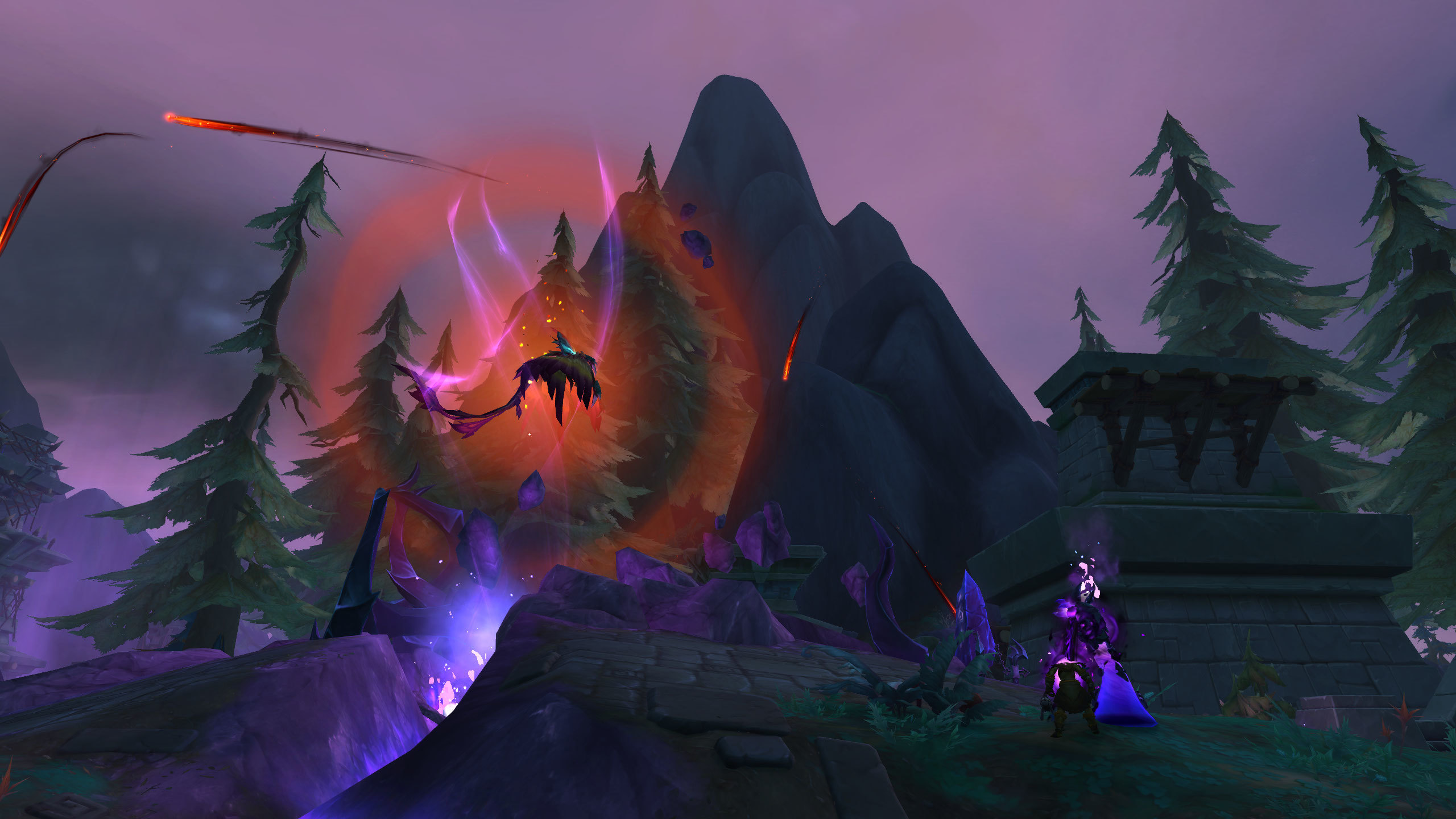
Mastering the identification of frontals and cleaves in World of Warcraft is a distinct mechanical progression path that governs your survival in high-end PvE content. While many players rely exclusively on add-on alerts, the delay between a game event and an on-screen text warning is often the difference between living and being deleted. For players aiming to achieve “Visual Seniority” and react instinctively to threats, establishing a routine for reading enemy animations forms a reliable framework for mastery. It is about understanding that an enemy’s body language is the most honest information in the game.
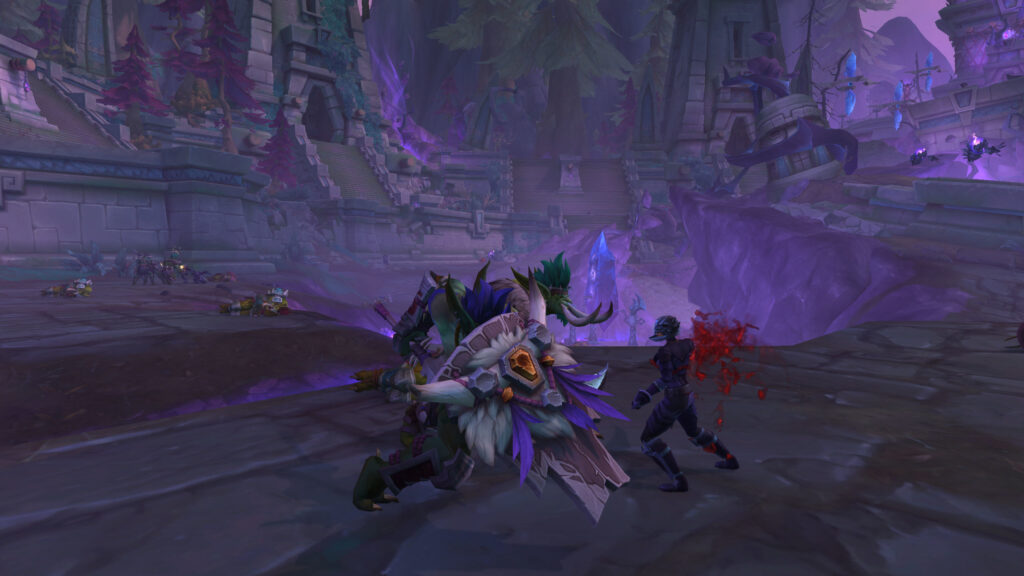
This guide examines how to approach combat awareness efficiently, focusing on the logic of “Telegraph Cues,” the mechanics of model-rotation, and the strategic importance of “Safe-Sector” positioning to ensure you stay active during lethal frontal windows.
The Logic of Physical Telegraphing
In modern World of Warcraft, almost every lethal frontal ability is accompanied by a deterministic physical cue. An enemy will shift their weight, raise a specific weapon, or rotate their torso toward a target before the damaging effect occurs. Learning to read these animations is a form of mechanical anticipatory play. Instead of waiting for a “GTFO” sound or a ground swirlie, you watch the boss’s feet and shoulders. If the enemy’s model locks into a specific “channeling” pose, the “danger zone” has already been established. Mastery of this visual data allows you to move before the damage starts, preserving your health and your healer’s mana.
Core Tactics: Shoulder-Tracking and the Pivot-Point

To identify where a frontal is heading before it fires, you must utilize these specific observation habits:
- Shoulder-Orientation Check: Most cleaves are aimed 180 degrees from where the boss’s shoulders are squared. If you see the model snap its rotation toward your position, you have approximately 0.5 to 1.5 seconds to move. Do not wait for the cast bar to finish; the “hitbox” is often calculated at the start of the animation.
- The “Center-of-Model” Pivot: Every enemy model has a central pivot point. By standing as close to this pivot as possible (without being in the “hit-box”), the distance you need to travel to escape a 90-degree frontal is minimized. A single side-step near the pivot is more efficient than a long sprint at the edge of the room.
- Feet and Ground Interaction: Watch for enemies “planting” their feet. A rooted animation usually precedes a massive frontal blast. If the boss stops its movement and enters a wider stance, it is likely preparing a cleave that will punish anyone standing in its forward arc.
Managing the “Camera-Angle” Variable
A major obstacle to reading animations is poor camera management. If your camera is zoomed too far in or aimed too low, you lose the ability to see the “Head-Tilt” or “Weapon-Raise” cues that signal a frontal. To counter this, your routine should include a “Camera Reset” during every pull. Ensure you have a top-down perspective that allows you to see the boss’s entire model and the area behind you. By treating your camera as a tactical tool rather than a passive observer, you gain the spatial awareness needed to see cleaves coming from off-screen enemies or large-model bosses.
Establishing the “Safe-Sector” Default
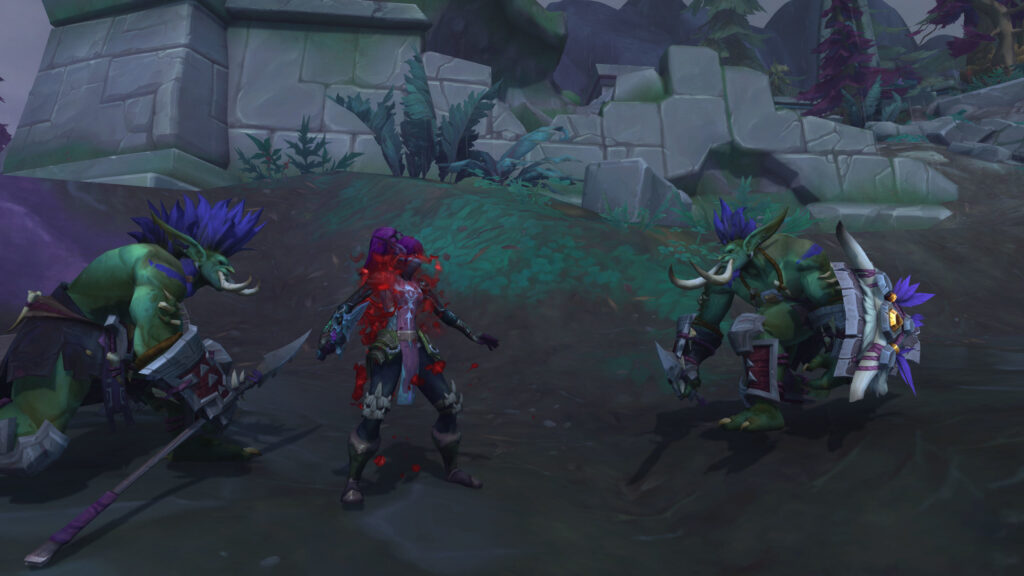
The final phase of frontal mastery is developing a “Safe-Sector” default position. Unless you are the tank, your character should always be positioned at the “rear-quarter” of the boss—the 45-degree angle behind their shoulders. This position is deterministic: it is the point furthest from the frontal arc while still being close enough to the pivot to react to “tail-swipe” or 360-degree mechanics. By making this your permanent “home” during a fight, you reduce your cognitive load. You stop wondering if you are safe and start knowing you are, allowing you to focus entirely on your rotation. Integrating this habit into your routine ensures that you extract the most uptime from every encounter.
Conclusion: Vision as the Ultimate Defense
Reading animations rewards the observant and the focused. By prioritizing physical cues over add-on reliance and mastering the “pivot-point” movement, you nullify the most common cause of sudden death in dungeons. Integrating these visual habits into your routine ensures that your survivability is a steady, predictable result of your own awareness, providing a stable path to high-level mastery through superior enemy-read techniques.